
India rarely reveals itself all at once. You can spend a lifetime travelling across it and still turn a corner to be surprised. Take an unfamiliar road, stop at an unremarkable-looking village, and you may find something extraordinary.
There are the familiar destinations, of course: the mountains of Shimla and Manali, the beaches of Goa, the palaces of Rajasthan and the backwaters of Kerala. They have earned their popularity, which they deserve too.
But there is another India beyond these well-trodden routes, one that rarely makes it to the travel brochures or the glossy advertisements. Rush from one famous stop to the next with a checklist and you will miss it. You will tick the boxes, and the photographs will get lost somewhere in your phone’s storage.
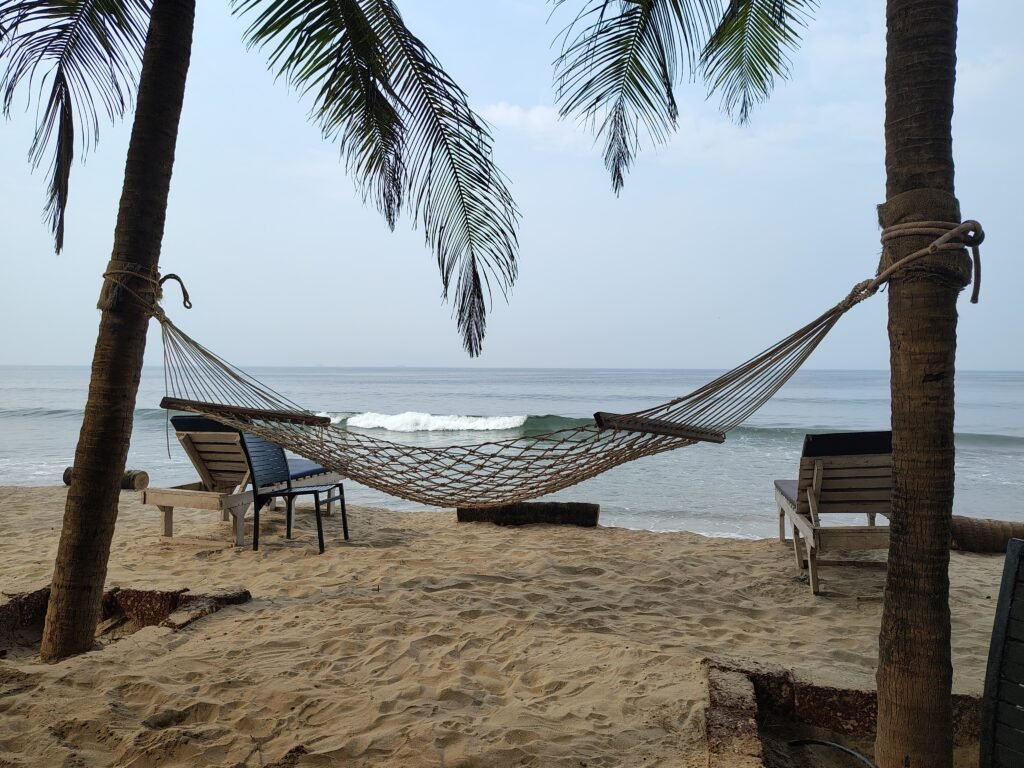
What stays with you is what you experience. I still remember standing on a lonely beach in Tarkarli, Maharashtra as the night crept in, listening to the noisy dance of the waves. No photograph can compete with that memory.
There is a way of life and a rhythm out there that you will miss if you do not go looking for it. The culture, heritage and beauty of India lie far from the bustling cities, in the hinterland, the beaches and the mountains. That is the India I find most fascinating.
It is an India of winding mountain roads, forgotten trails, sleepy coastal villages, forest-covered hills, unhurried mornings and unexpected encounters. Sometimes it takes considerable effort to reach. At other times, it is just a few kilometres from a busy highway, connected to the world by a modest road darting off to the side.
Welcome to Roads Less Travelled.
The pleasure of taking the longer road
Modern travel has become remarkably efficient. Applications calculate driving times, suggest restaurants, identify hotels and plan our journeys down to the last minute. There is nothing wrong with convenience, but somewhere along the way, we seem to have lost the pleasure of getting there.
The best journeys are not necessarily the shortest. A mountain road may take longer, but offer views no destination can match. A detour through a small town may reveal a local market, an old temple or a roadside eatery that no guidebook mentions.
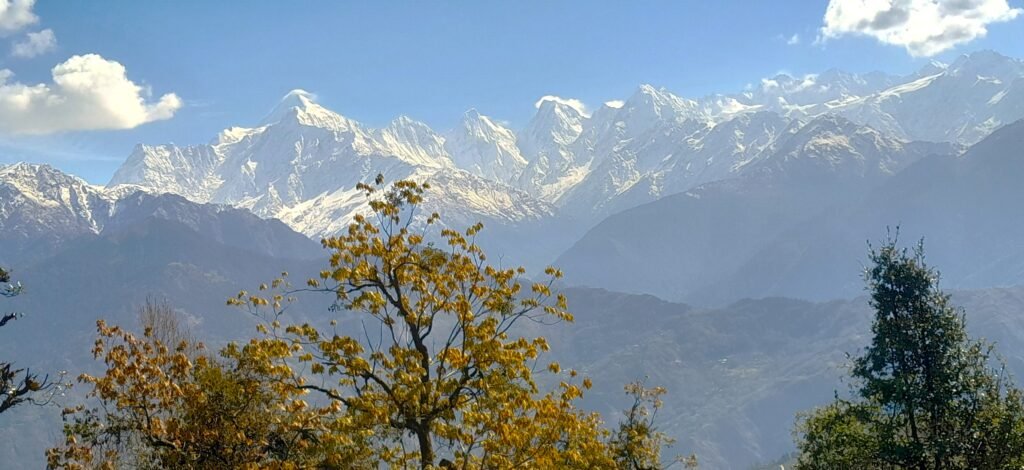
The drive from Almora to Munsiyari was a reminder of this. The winding mountain road unfolded at an almost leisurely pace, passing through settlements and changing landscapes. But the real reward came when the magnificent, snow-capped Panchachuli range emerged above the sleepy town of Munsiyari. No driving-time estimate could have captured that moment.
You can read about that journey in Where the Giants Watch: A Munsiyari Road Trip through Kumaon.
The point is not to make every journey difficult. It is to resist the temptation to treat the road as an inconvenience between two destinations.
Sometimes, the road is the destination.
Beyond the familiar tourist trail
India’s geography is wonderfully varied. Within a few hours of driving, a landscape can change from dry plains to forested hills, from bustling towns to quiet coastal settlements.
Yet our travel habits tend to follow familiar patterns. We return to the same destinations, visit the same viewpoints and photograph the same landmarks. The popularity of a place often becomes its principal attraction.
But there is much to discover beyond these established circuits.
The Konkan coast is a wonderful example. Stretching along India’s western seaboard, it offers a succession of small settlements, fishing communities, mango orchards, cashew plantations and beaches that retain much of their character.
A road trip through this region is not simply about reaching a beach. It is about the smooth transition from the inland hills towards the sea, the changing architecture of the villages, the smell of the coast and the unhurried rhythm of life.
Our journey through Amboli, Ratnagiri and further along the Konkan coast was a reminder of how much pleasure there is in exploring a region without rushing through it.
The journey begins with The Konkan Trail: Amboli Welcomes All and continues through Road to the Konkan: Sunsets, Salt Air, and the Shores of Ratnagiri.
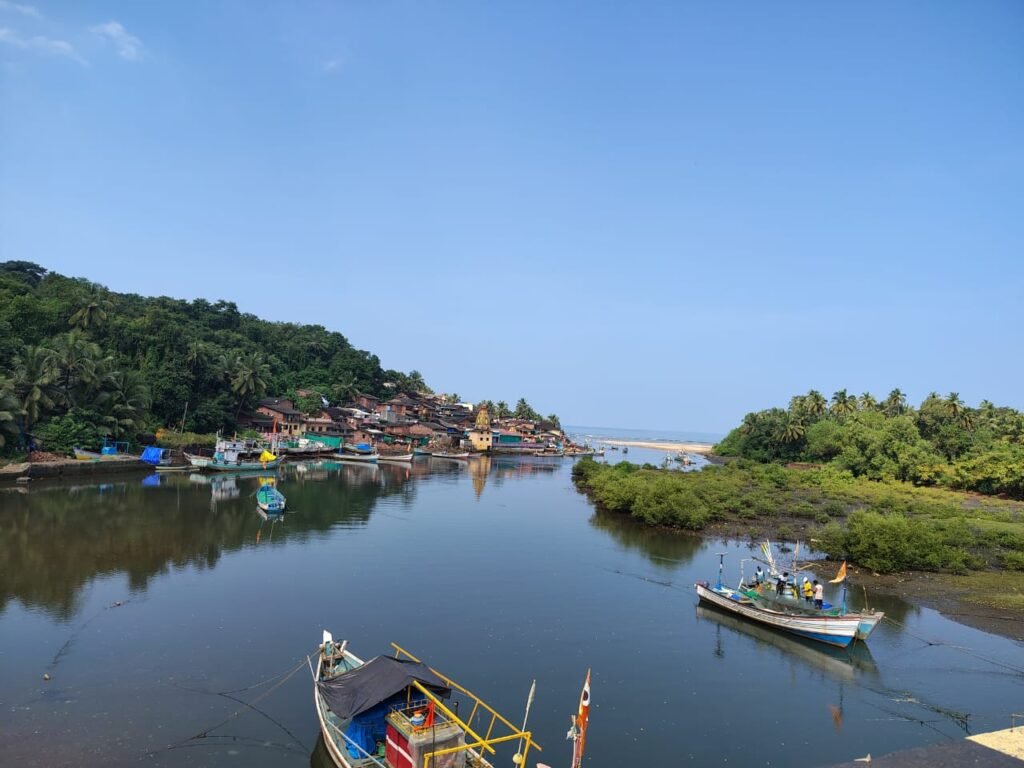
These are not places that need elaborate introductions. They reveal themselves gradually, provided you give them enough time. The best part is that the experience is personal, and it means different things to different people.
I remember the fishing hamlets and the green carpet of orchards; you might remember the spicy tomato chutney or the refreshing kokum drink at a roadside eatery.
The unexpected discoveries
One of the great pleasures of travelling away from the familiar routes is that you rarely know exactly what you will find.
A small settlement may have an extraordinary history. A seemingly ordinary landscape may conceal a remarkable natural feature. A conversation at a roadside shop may reveal a story that you might have never heard.
On a journey through Arunachal Pradesh, the road to Tawang became an introduction to the history of the region and the people who live there.
Among the stories encountered along the way is that of Rifleman Jaswant Singh Rawat, whose courage during the 1962 India-China war has become part of the region’s collective memory. The memorial dedicated to him is a reminder that some journeys take us into landscapes shaped by events far larger than the traveller.
The Road to Tawang: The Story of Baba Jaswant Singh explores this encounter.
Then there are discoveries that have little to do with history or geography. A Gurudwara tucked away on a rocky outcrop in the rugged hills of Arunachal was one such surprise. Guru Nanak stopped here on his Teesri Udasi, and the land was blessed.
Guru Nanak’s Rest: A Gurudwara in the Shadow of Tawang is about faith and discovery in the mountains.
One can be surprised anywhere; there are no rules when you are out and about in India. A visit to a friend’s farm in the hills of Chiplun, for example, turned into an experience of silence and time. The Western Ghats stretched into the distance, the landscape seemed to move at its own pace, and the absence of urban commotion became an attraction in itself.
Life in the Slow Lane: A Leopard and Human-Wildlife Conflict is all about the silence of those hills.
These are the experiences that make a journey memorable. They cannot always be scheduled, booked or found through a search engine.
Places where time moves differently
Not every worthwhile journey needs a spectacular landscape or an extraordinary adventure. Sometimes the attraction lies in the pace of life.
There are villages where the morning still begins with the sound of birds rather than traffic. Small towns where the market is the centre of community life. Coastal settlements where fishing boats make rhythm of the day. Hill villages where people seem to have kept a close relationship with the land around them.
These places offer something that is becoming increasingly difficult to find: the opportunity to slow down.
During our stay in the hills around Chiplun, it was this quality that stayed with me most. There were no grand monuments to visit and no elaborate itinerary to follow. There was simply time to look around, observe and enjoy the surroundings. I wrote about it in Slow Travel in Chiplun: Finding Silence and Time.
Slow travel is not necessarily about travelling slowly in the literal sense. It is about allowing a place to make an impression before moving on to the next one.
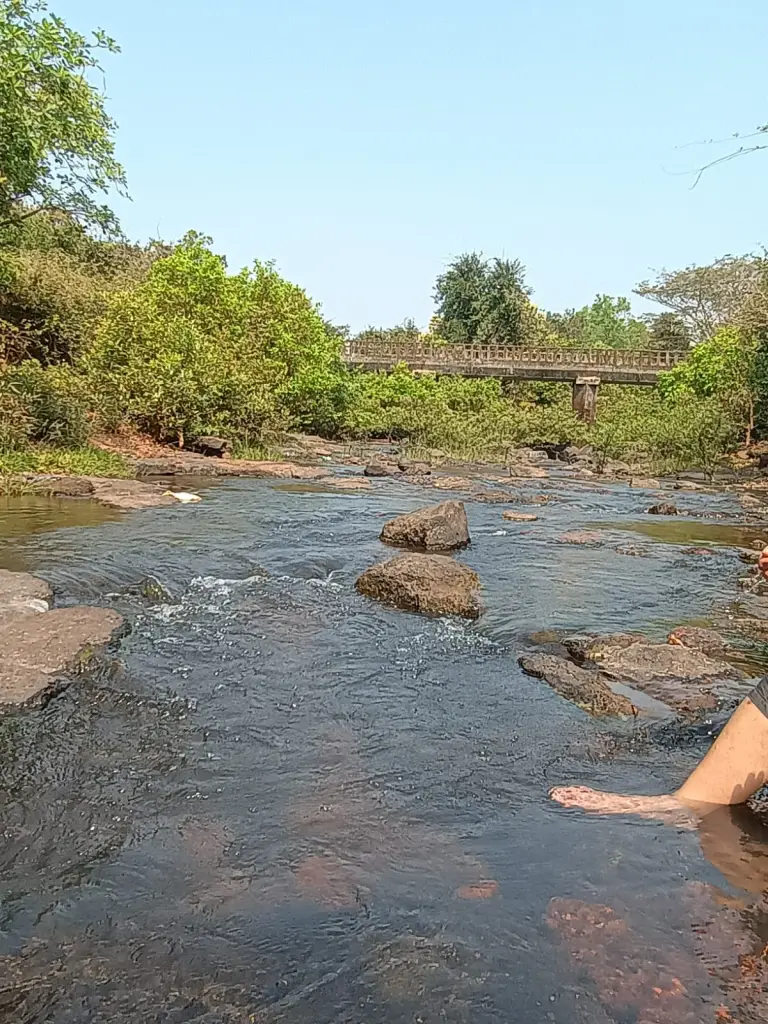
A morning walk, a conversation with a local resident, a meal prepared in a traditional kitchen or an evening spent watching the changing colours of the hills can sometimes offer more than a packed schedule of attractions.
The journey is as important as the destination
There is a particular pleasure in road travel in India. The landscape changes, the food changes and of course the language changes too.
The road teaches patience. It makes you notice things you might otherwise overlook and introduces you to places beyond the familiar tourist circuit. India is far too large and varied to be understood through a handful of popular destinations.
A journey through Kumaon, the Konkan or the northeastern hills is as much about the spaces between destinations as the places themselves. A drive in the Western Ghats as the rains arrive is an absolute dream. I have done it with regularity and it has never disappointed me. It has led me to some stunning places. (Nagara Fort : Rains and ruins)
Travelling with curiosity, not a checklist
There is a difference between visiting a place and discovering it. A visitor arrives with a list of attractions. A curious traveller arrives with questions.
What makes this village different? Why was this town built here? What do its people do for a living? Is there a story associated with that hill, river or old structure?
Such questions can lead to unexpected discoveries: an old fort, a forgotten trail, a local festival or a conversation with someone who has lived in the same village all their life.
An invitation to explore
Roads Less Travelled is about India’s lesser-known destinations, the journeys that take us there, the landscapes along the way and the people who give these places their character.
You might find yourself exploring the coastal settlements of Maharashtra, travelling through the hills of Kumaon, following a winding road towards the northeastern frontier or spending a few unhurried days in the Western Ghats.
Some journeys reveal spectacular scenery, others forgotten histories or local traditions. A few may simply offer the pleasure of being somewhere quiet, away from the noise and fizz of everyday life.
Not every journey needs a stated purpose. Sometimes it is enough to take a road you have never travelled, stop at an unfamiliar village and see where it leads.
India has an extraordinary number of such roads. Many are waiting just beyond the next bend.
Take the longer route. Allow yourself to be surprised. That is where the real pleasure of travel begins.
The beach ran along with me in Konkan, the mountains cheered as I drove towards Munsiyari and the monsoon mist enveloped me when taking the stunning Agumbe Ghats. I have enjoyed every moment and I know there are more to come.