
Faith in the mountains
High in the mountains of Arunachal Pradesh, not far from the India–China frontier, stands a Sikh shrine that few travellers expect to find. According to tradition, Guru Nanak paused here during his third great journey more than five centuries ago.
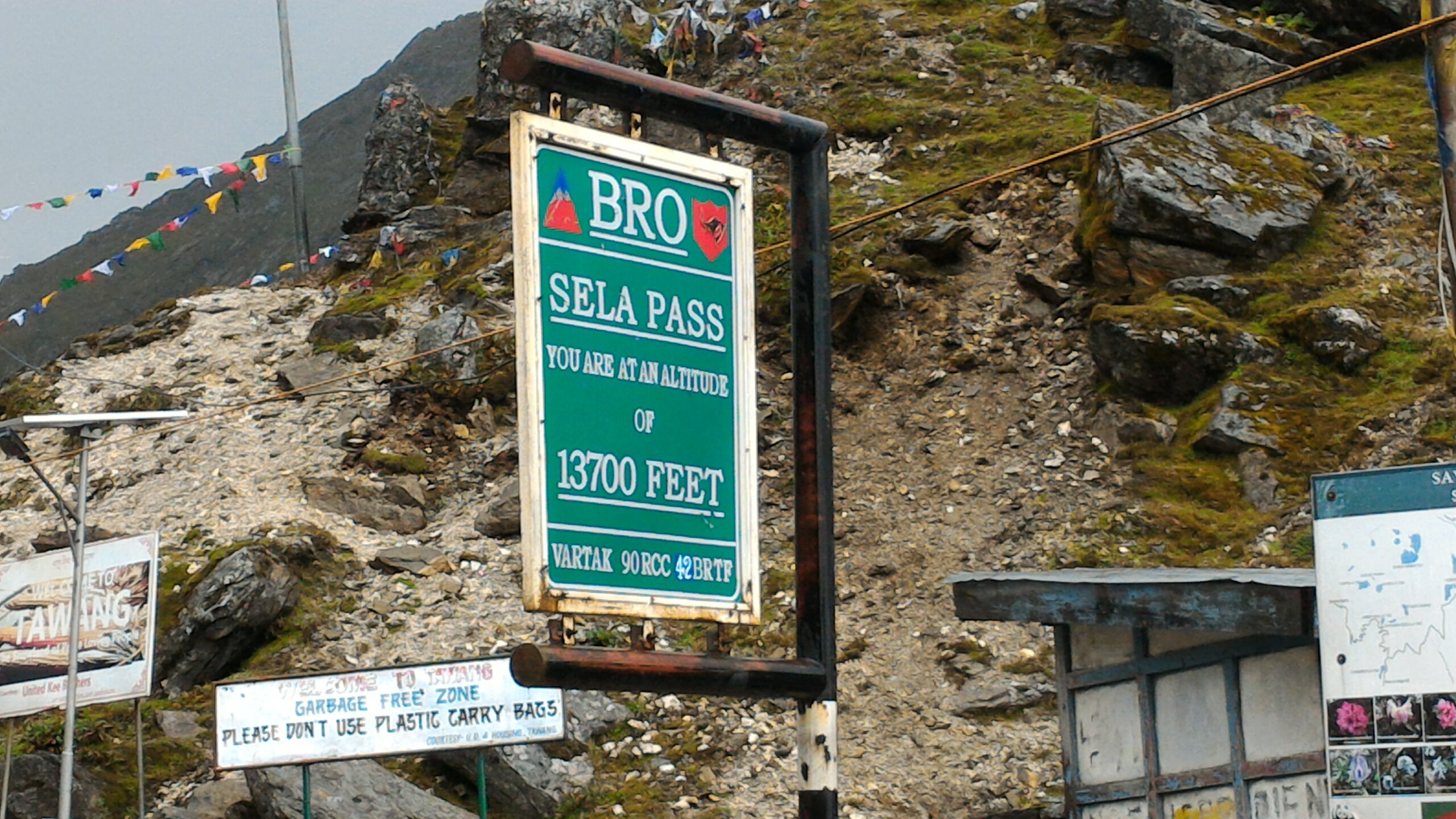
It had been a few days since we came up to the flat terrain along the mighty Brahmaputra in Assam and swerved north into the hills. A few hundred kilometers later, the steep climb peaked at Sela. At around 14,000 feet above sea level, Sela serves as the gateway to north-western Arunachal Pradesh. Sela Pass is a place where tired engines take a pause.
The pagoda across the road welcomed us in the bristling cold, marking the approach to Tawang, home to the largest Buddhist monastery in India. The road took a long, looping curve across the lake formed at the pass and headed towards Tawang, nestled in the valleys of these majestic mountains.
Welcome to Tawang
The Tawang Monastery, founded around 1680–81 on the wishes of the 5th Dalai Lama, is all that Tawang is about. Perched atop a hill, it is the most revered Buddhist monastery in India. But this story is not about Tawang; it is a story lesser known, yet a more emphatic statement of faith and its proponents.
One of the usual things a traveler who has heard of Tawang plans is a trip to the Indo-China border — a post up in the inhospitable mountains, with Chinese posts visible in the distance. Historically, this arena in the north has been a flashpoint. Wars have been fought, and lives have been lost in these serene mountains as the two countries warred. We were on our way to visit the border post.
The off-roader carrying us stumbled its way across the mountains. The border was about an hour’s rough ride away. It was tough terrain — mountains stretched out in all directions, rolling up and down and forming a natural border.
The soil here is loose, which means the roads built to serve the borders and the Army units patrolling them have little life. They must be rebuilt every now and then as the soil slides away, taking the roads with it. In winter, when snow covers this part, it is brutal. We were early, and the sights were stunning — sparkling lakes everywhere, still and gleaming, with rugged mountains standing guard over the paradise.
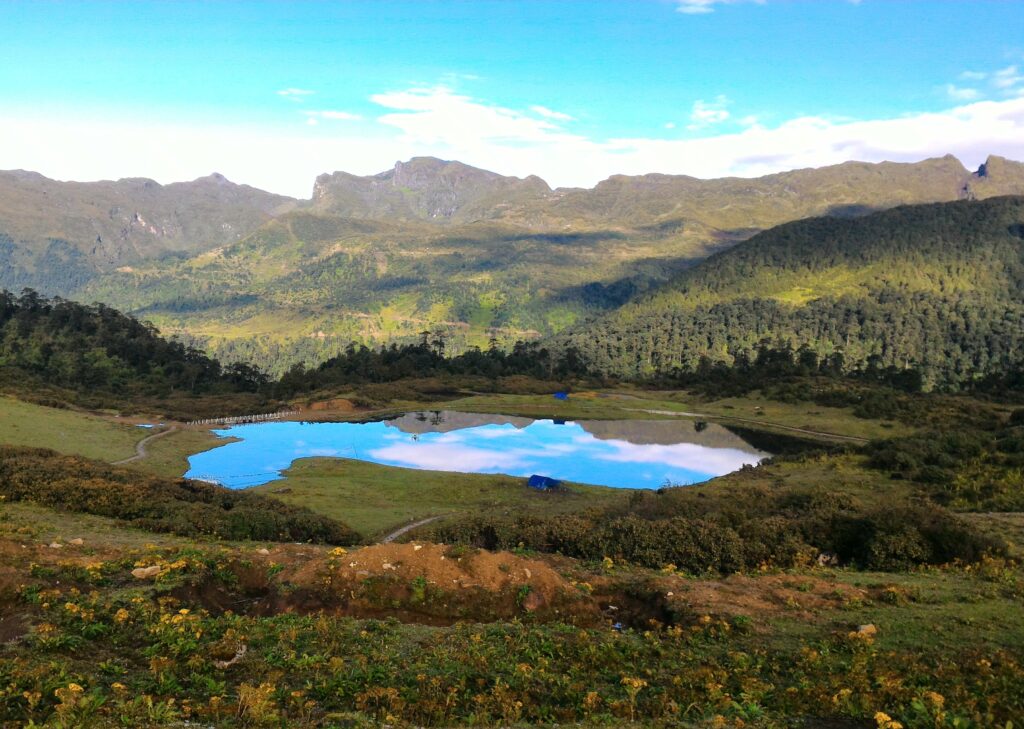
Half an hour into the drive, after hugging the mountainside for some time, the road snaked down into a sloping run with a bit of flat ground peeping out at the bottom of the hill. The hills were dotted with military barracks. As we entered the flatter terrain to the right of the road, a board appeared, announcing a name.
It was a gurudwara. In the middle of nowhere, miles away from the paddy fields of Punjab where these gurudwaras are aplenty, stood this symbol of Sikh faith.
Guru Nanak during the Teesri Udasi
The Teesri Udasi Gurudwara is a small shrine nestled in the rocky mountain face. It takes a climb to reach it, and it is maintained by the Indian Army. What brought a gurudwara to this remote spot is the interesting part.
Guru Nanak, considered among the greatest thinkers of this ancient land, was the founder of the Sikh religion. Born in 1469, he was the first of the ten revered gurus of Sikhism. In a lifetime dedicated to spreading the message of one god who resides in every creature, and that being the only ultimate truth, he traveled extensively on foot, spreading his word of love. Over almost 25 years, he is said to have covered more than 25,000 km. These travels are grouped into four major journeys, each called an Udasi. He traveled on foot through the whole of India, into China, and even to the Middle East.
It is believed that during the third Udasi or the Teesri Udasi, as it is called. A journey in which he traveled to Lhasa in Tibet, he passed through Tawang. He spent some time here resting and engaging in discussions, before crossing the treacherous mountains toward Lhasa, which lies across the ranges towards China.
On that journey, he is said to have rested among these rocky mountains for a few days. It is believed that the rock on which he used to sit and rest remains dry even in winter, when the entire landscape is covered in snow. The small gurudwara was later built to commemorate the saint’s passage.
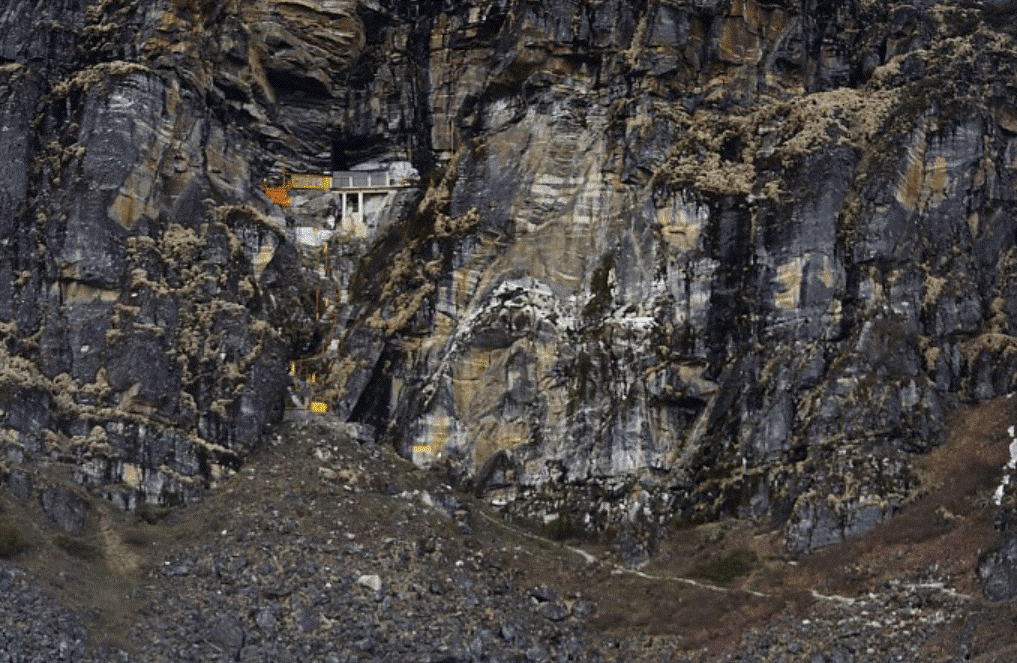
Standing here, contemplating the arduous travels of a seer, brings a troubling realization about the modern world. The very place blessed by the Guru’s presence is now surrounded by hundreds of military camps, put in place to guard against invasion from a neighbor. Humanity, realization, and compassion have long lost that battle.
Not only the Guru’s thoughts, but even those born in the Buddhist monastery across the mountains we had passed, seem to have few takers in this world today. It is a battleground these days, in the serenity of these timeless mountains.
As generation after generation drifts toward destruction, the thoughts of the revered Guru and the Buddha fade into the background. The human race may be nearing a point of no return, and it may take a rediscovery of what such great minds taught to halt this mindless self-destruction.
The fractures are wide, and time is short and getting shorter.
It would do well to remember what the Guru said:
Ik Onkar, Satnam, Karta Purakh, Nirbhau, Nirvair, Akal Murat, Ajuni Saibhang, Guru Prasad.
There is only one God. His name is the only truth. He is the only creator. He is fearless. He is without hate. He is immortal. He is beyond birth and death. And only by his grace can one chant his name.
In the hills of Arunachal, borders arrived centuries later. Faith had already crossed these mountains.