
The Amboli morning is sparkling. A slight chill lingers.
The breakfast is some neer dosas with a green coconut chutney. This is Konkan stuff all the way. It is the beginning of my Konkan Road trip. Amboli is the start, with more to come. The overnight stay has been wonderful. ( read here )
As the sun creeps up and threatens to flex its muscles, we set off on the drive up to the coast. We plan a local detour to see the much-talked-about Amboli waterfalls.
It is a complete dud — an impoverished stream tumbling through a few gaps in the rocks along the hill slopes. I have been told innumerable times that it’s a sight to behold when the water is gushing down the slopes. Today it looks very ordinary. Perhaps it earns its reputation in the monsoon. In October, it surely doesn’t.
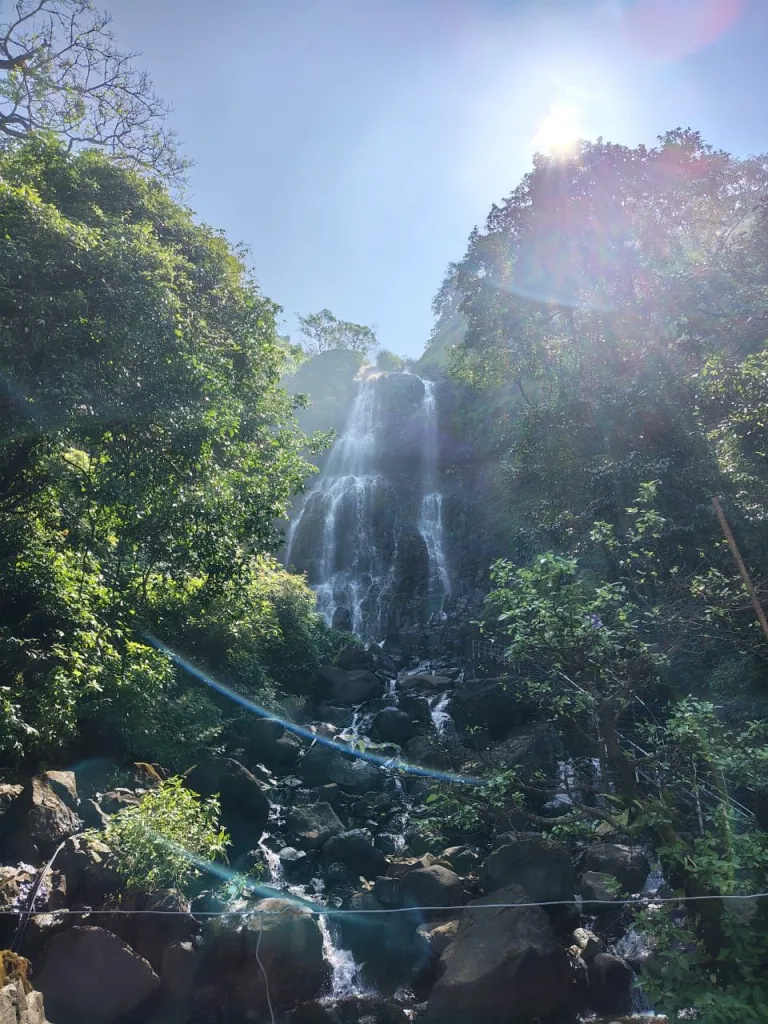
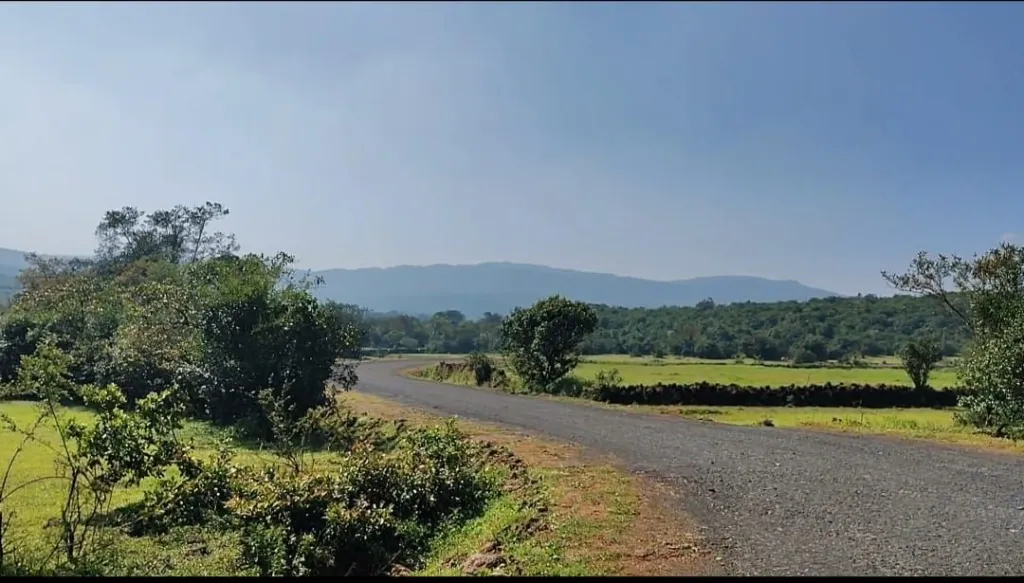
The waterfall is done in quick time and we are on the way to Ratnagiri. The mountains of Amboli give way to flatter lands. The mountains of Amboli give way to flatter lands, undulating gently at first, then settling into a steady flatness as we push north. Skirting Sawantwadi, the road swings north up the coast.
Kudal comes next. Yet another of the towns which have seen better times. Like Sawantwadi, Kudal also had local dynasties which developed them into organised kingdoms. The Sawant Bhosale dynasty and the Desai’s of Kudal held control over this land. However, they found the going tough as the Mughals, Marathas, and then the British proved stronger
From being personal kingdoms at their peaks, these are now just mere government districts, ignored and neglected at the cost of the more glamorous parts like Mumbai and Pune. The signs of a town stagnating are all there — a crumbling archway, brown buildings, and faded signboards.
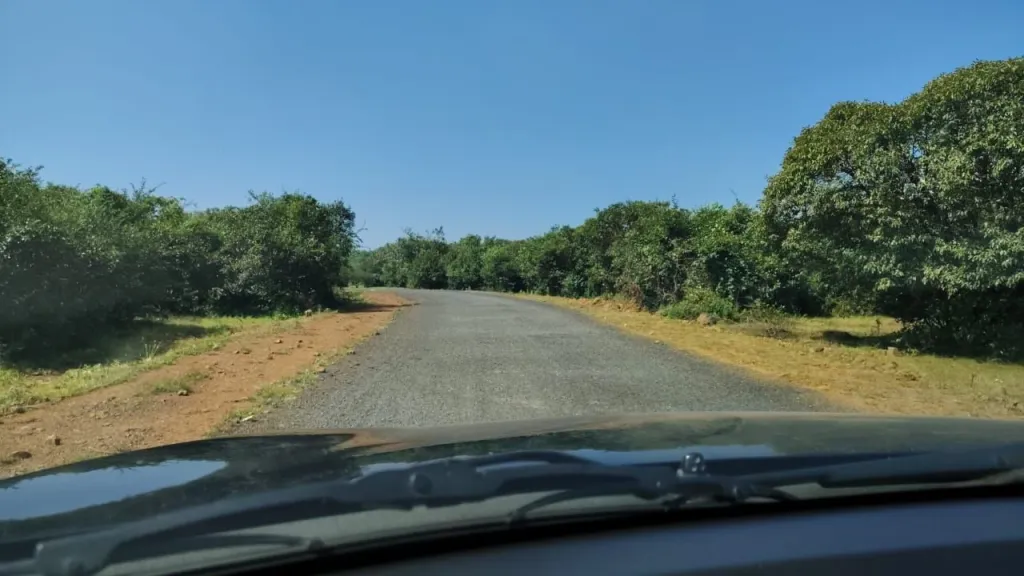
Kudal is the edge of the mango territory. The orchards and the cashew plantations start emerging as we pass Kudal.
Behind us, the mountains recede into the distance. Ahead, a carpet of dark tree-green stretches into the horizon.
The Land of Alphonso Mangoes and Cashews
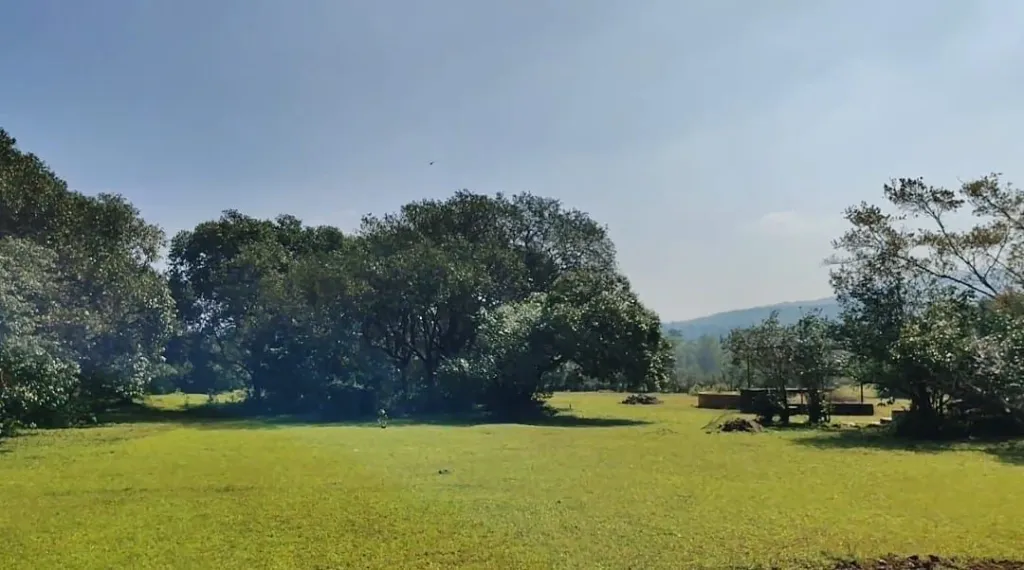
The land of mangoes is here. It stretches in all directions. Always a serious green, sometimes short but always robust, the mango trees are everywhere. A patch of a lighter shade tells the discerning eye of the presence of another cash crop, the cashew.
The cashew, a South American native brought to India by the Portuguese, is always grown extensively in Konkan, a valuable cash crop in its own right. This area produces almost 25% of India’s cashew output. Millions of acres are covered by the cashew trees.
But the mango is the undisputed king in Ratnagiri.
States like Uttar Pradesh and Andhra Pradesh produce more mangoes, but it is the Hapus, or Alphonso, grown along this coast that has acquired almost legendary status. There are other heritage varieties like the Kohitur from West Bengal that command astonishing prices, but in the commercial market the Hapus rules.
The Hapus is a variety that thrives in the humid coastal climate here. When ripe it has a golden yellow skin with deep saffron inside. The pulp which is smooth and creamy has a rich sweetness. Then there is that mild tang that makes it a signature taste.
The economy and the landscape of this part of Konkan run on Hapus and cashews .The foliage makes that plain with every mile we drive. Farmers, pulp factories, and small value-add units all seem to be thriving on the back of these two crops.
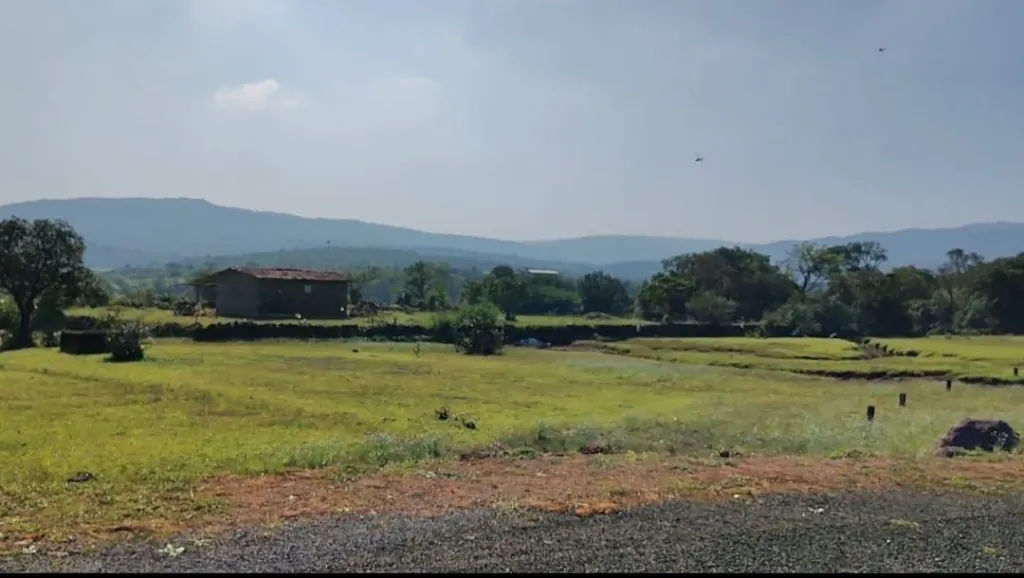
Small towns appear in the flat lands. Men on motorcycles appear around the bends. In the distance one can see barns. Big buildings producing mango pulp and mango pulp sheets are the main employers.
Ratnagiri: Where the Sea Meets History
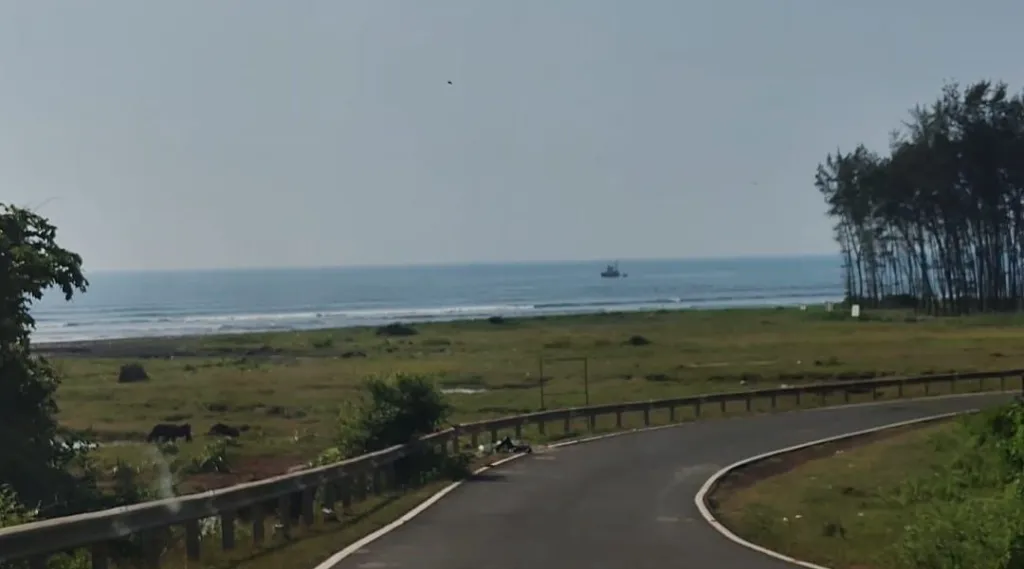
It is almost a three hour drive along these roads before the coast appears. The air is a bit heavier and humid. As one turns around a hillock lined with military green trees, the sea appears.
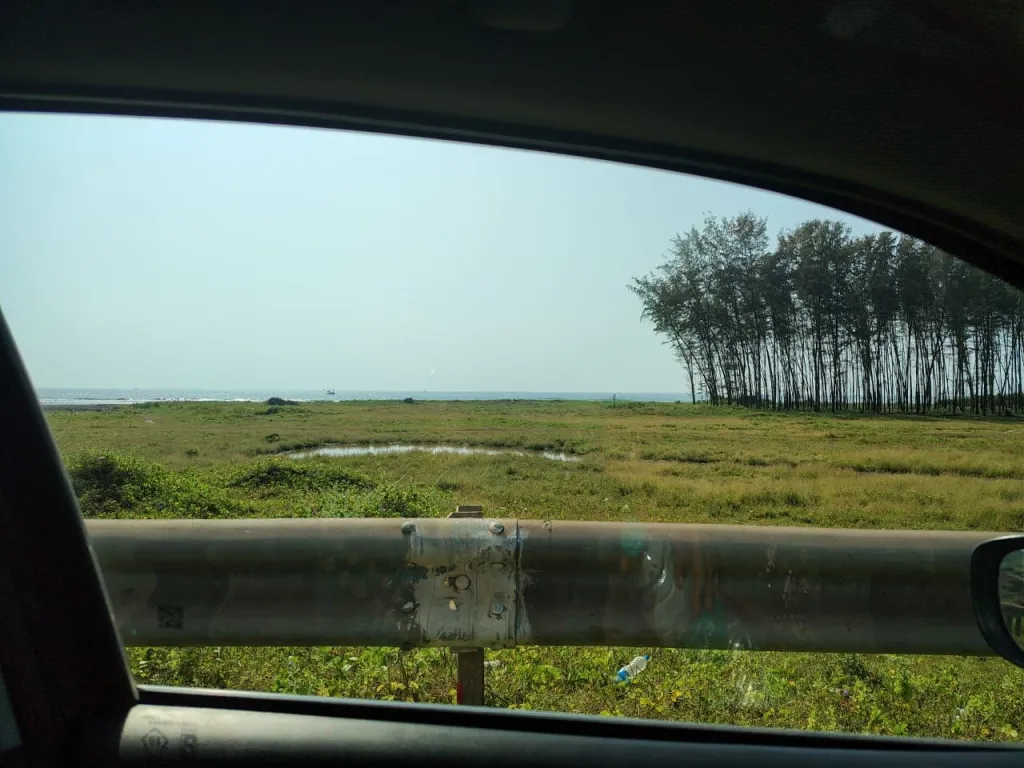
A sparkling sea, blue and golden at times from the slanted sunlight. It comes out of nowhere and then continues to stay with you as you motor along the road parallel to the sea. Dark and wiry casuarina trees stand guard to the coast line.
The smell of fish is in the air. Fishing boats dot the distance. Nets hang drying on the walls of every house. From mango to fish it is a seamless transition. While the mango feeds the inner landscape the coast thrives on fishing.
The town where the sweetness of mango and the sharp, salty smell of dried fish sit side by side, both simply part of daily life here.
Welcome to Ratnagiri.
There’s a lot more to this town than fish, but that story is for tomorrow.