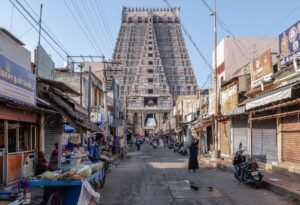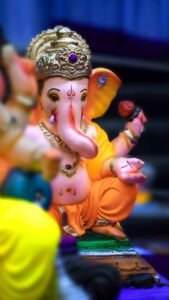

Deep within the river-sculpted heart of Tamil Nadu, where the Cauvery and Kollidam embrace to form the sacred island of Srirangam, the air is thick with more than just incense—it is heavy with the echoes of ancient rivalries and divine destinies.
While the sprawling majesty of the Sri Ranganathaswamy Temple often commands the world’s gaze, those who look closer will discover that this island is merely a portal into a much larger, interconnected tapestry of Indian folklore. It is a land where the boundaries between the animal kingdom, the mortal realm and the heavens blur, where legends flow as naturally as the rivers themselves.
Spread across nearly 150 acres and enclosed within seven concentric enclosures, the Sri Ranganathaswamy Temple is among the largest functioning temple complexes in the world. Yet to understand the soul of this sacred island, one must venture beyond its towering gopurams and into the quieter corners where stories of rebirth, rivalry and redemption still linger.
A few kilometres to the south-east, on the same river island, stands the Arulmigu Jambukeswarar Akilandeswari Temple. Overshadowed by its celebrated neighbour, it is easy to miss. Yet hidden within its stone corridors is one of the most fascinating legends in South Indian mythology—a tale that may explain the birth of an entire style of temple architecture.
According to temple tradition, the story dates back nearly eighteen centuries.
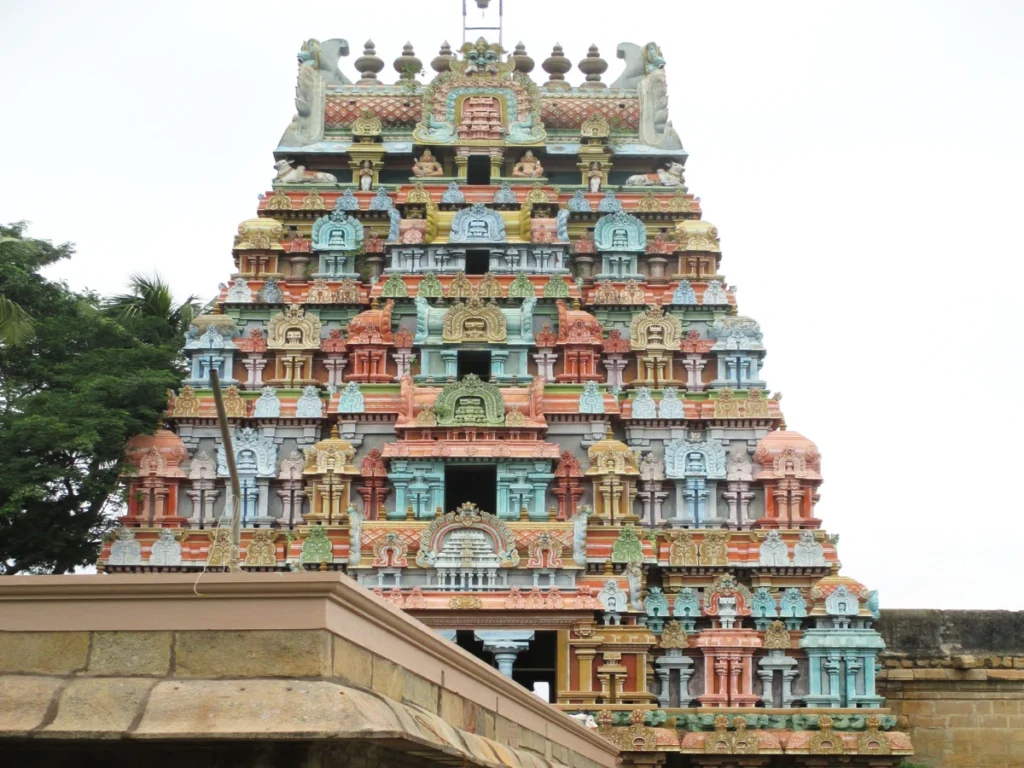
The Jambukeswarar temple legend
Two devoted disciples of Lord Shiva were constantly at loggerheads, each convinced that his way of worshipping the Lord was superior. As their disagreements deepened, devotion gave way to anger. In a moment of rage, one cursed the other to be reborn as an elephant; the other returned the curse, condemning him to life as a spider.
Reborn on earth, both found themselves drawn once again to Lord Shiva at Jambukeshwaram on the banks of the Cauvery.
There they discovered a Shiva lingam and began worshipping it in the only ways they knew.
The spider patiently spun a web above the lingam, shielding it from falling leaves and dust. Every strand was an offering of devotion. The elephant, meanwhile, fetched water from the river each day and bathed the lingam, believing that keeping it clean was the highest form of worship.
Neither realised that each act of devotion undid the other’s offering.
Day after day, the elephant washed away the spider’s carefully woven web. Night after night, the spider rebuilt it.
What began as worship slowly became rivalry.
Eventually, neither could bear the other. The spider entered the elephant’s trunk and bit him. In agony, the elephant struck his trunk against the ground. Both died.
Yet their unwavering devotion pleased Lord Shiva, who released them from their animal forms.
The legend, however, did not end there.
Kochchengannan: The Red-Eyed King
The spider was reborn as the Chola king Kochchengannan, remembered in Tamil tradition as the Red-Eyed King. Temple lore explains his red eyes through an unusual birth: his mother is said to have delayed his birth until an auspicious moment, a sacrifice that left the infant with crimson eyes. Whether history or legend, the story became inseparable from the king himself.
A devout follower of Shiva, Kochchengannan is traditionally credited with building numerous temples dedicated to the deity.
Many of the temples associated with Kochchengannan were built in a style known as the Maadakoil. In Tamil, maada refers to an elevated level and koil means temple.
These temples were deliberately raised above ground level, with access provided only by steep flights of steps. In many cases, the entrance to the sanctum was deliberately narrow.
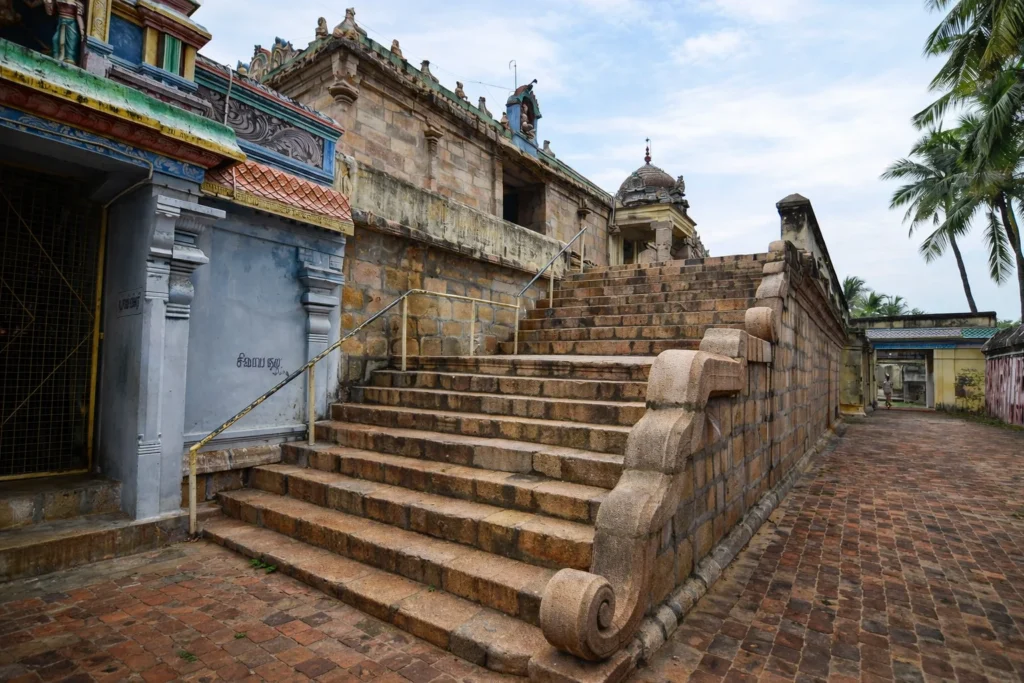
Only then does the earlier legend reveal its significance.
Bhakti, it seems, had outlived a lifetime. The spider, reborn as a king, had not forgotten his ancient rival. The elevated platforms and restricted entrances ensured that elephants could never enter these temples to offer their prayers.
Whether one accepts the legend as history or as sacred folklore, the symbolism is striking.
Across Tamil Nadu, dozens of Maadakoils still stand today, their elevated sanctums preserving in stone the memory of a rivalry that began not between kings, but between a spider and an elephant.
Sometimes, architecture is more than engineering.
Sometimes, it is mythology carved into stone.